Why Does My Face Look Older Than My Age? 7 Evidence-Based Causes of Premature Facial Aging and Modern Aesthetic Solutions
Reviewed and Edited By Dr David Deng
Many individuals are surprised when they are told they appear older than their chronological age. While aging is a natural biological process, facial aging is not determined solely by the number of years lived. Genetics, environmental exposure, lifestyle factors, and anatomical changes all contribute to how quickly the face ages.
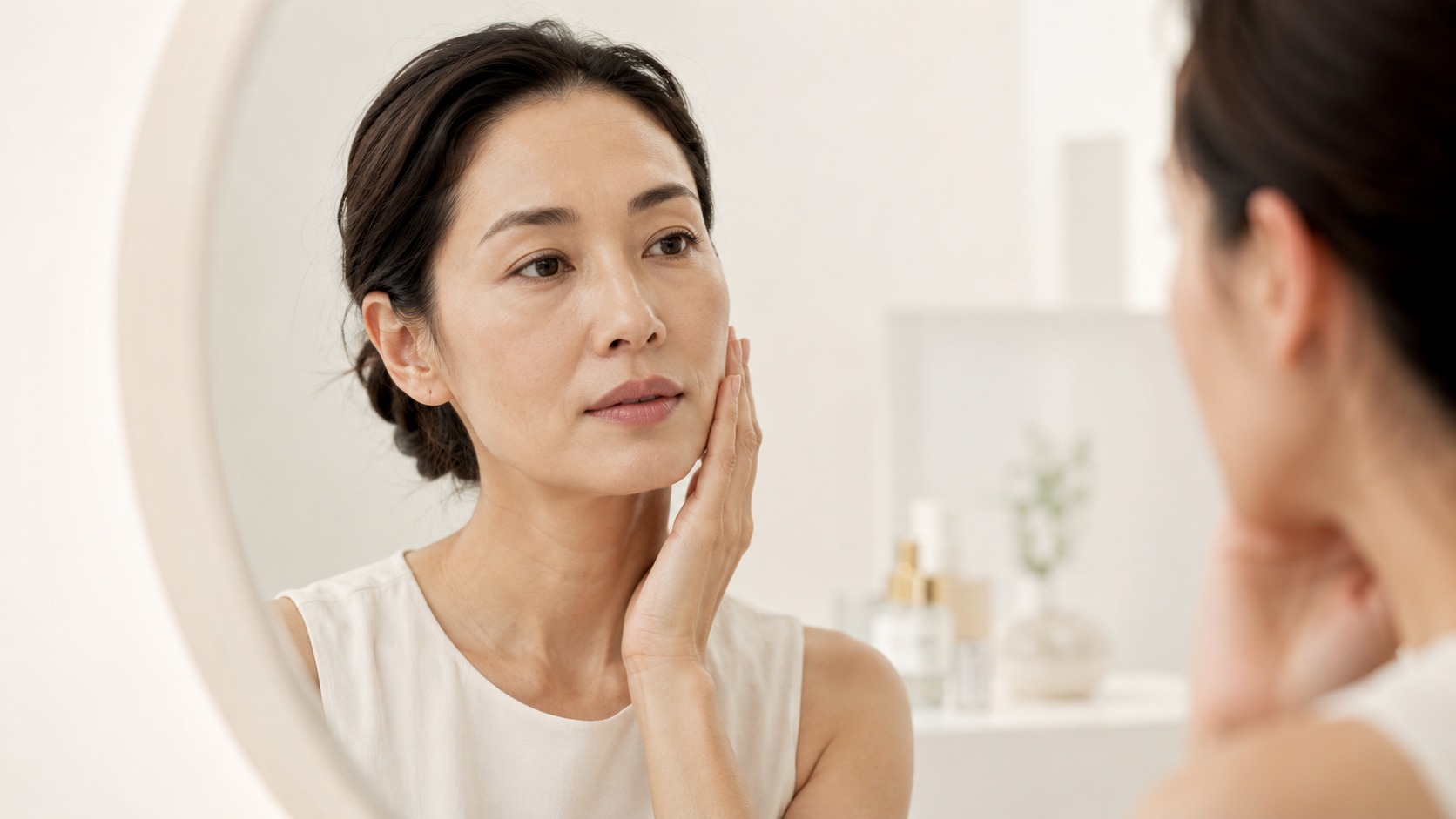
In Aesthetic Medicine, it is common to encounter patients in their 30s and 40s who demonstrate facial characteristics more commonly associated with significantly older individuals. Understanding the underlying causes of premature facial aging is essential in developing an effective treatment strategy.
Collagen provides structural support to the skin, while elastin allows the skin to stretch and recoil. Beginning in the mid-20s, collagen production declines by approximately 1% annually. This process accelerates with age and is further exacerbated by ultraviolet radiation, smoking, pollution, and chronic inflammation.
As collagen density decreases, the skin becomes thinner, less resilient, and more prone to wrinkle formation. Simultaneously, fragmentation of elastin fibers contributes to skin laxity and reduced elasticity.
Clinical Signs
- Fine lines and wrinkles
- Enlarged pores
- Reduced skin firmness
- Crepey skin texture
- Early jowl formation
Treatment Options
- Biostimulatory injectables
- Collagen-stimulating devices
- Fractional laser resurfacing
- Radiofrequency microneedling
- Exosome-based regenerative treatments
- Medical-grade retinoids
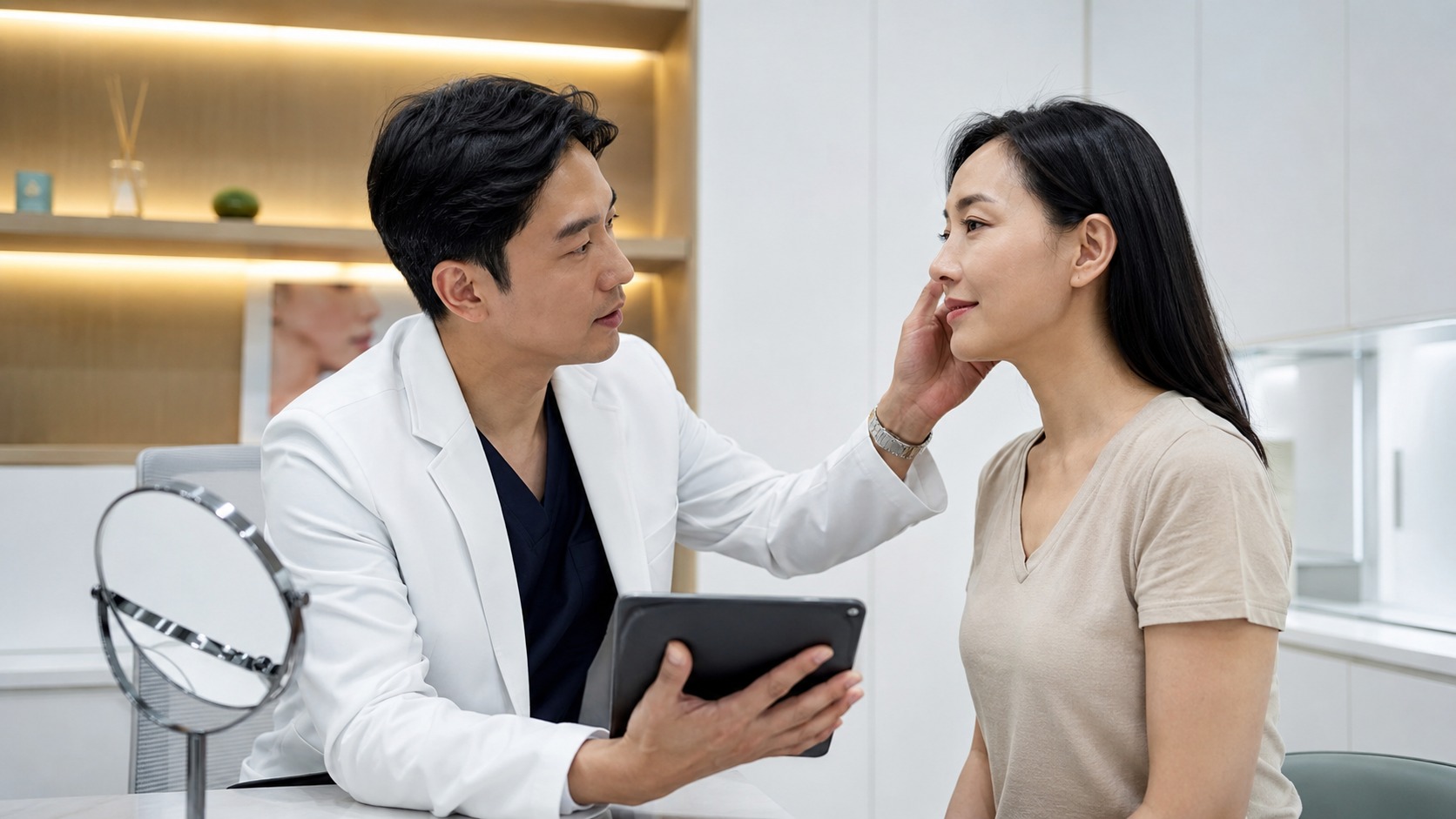
One of the most significant discoveries in modern facial aging research is that the face does not simply "sag." Instead, age-related changes involve selective volume loss in deep and superficial facial fat compartments.
Youthful facial contours are characterised by smooth transitions between the eyes, cheeks, and jawline, such as the ogee curve. With aging, facial fat compartments gradually shrink and/or descend, leading to a hollowed and fatigued appearance.
Clinical Signs
- Flattened cheeks
- Tear trough deformity
- Sunken temples
- Nasolabial fold deepening
- Loss of facial contours
Treatment Options
- Structural dermal fillers (ultrasound-guided injection provides a higher safety margin)
- Biostimulatory injectables
- Fat grafting procedures
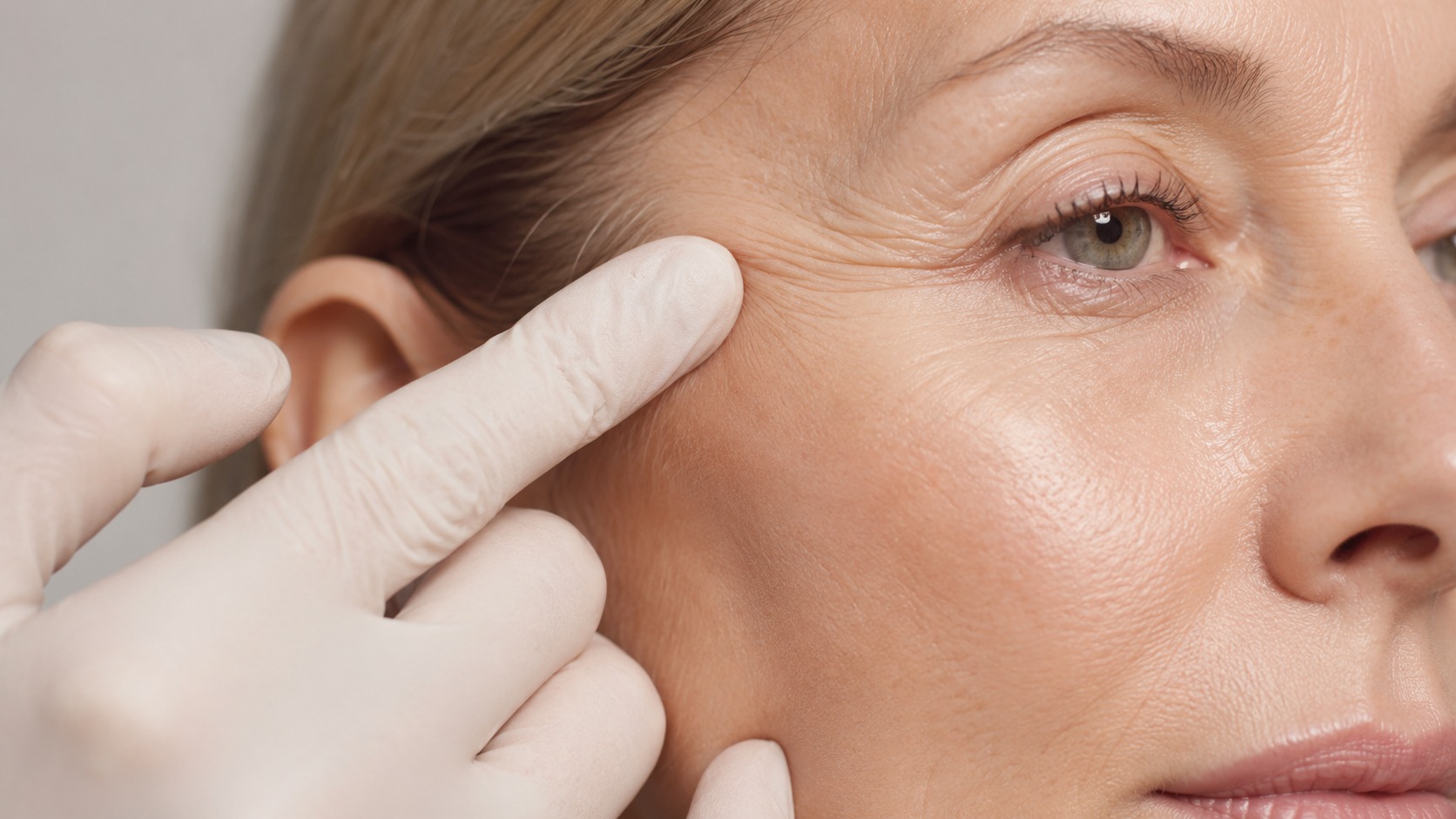
Facial aging occurs at the skeletal level as well. Research has demonstrated that the facial skeleton undergoes gradual remodeling throughout adulthood.
The orbital rim widens, the maxilla retrudes, and the mandibular angle changes over time. These structural alterations reduce support for overlying soft tissues, contributing to sagging and volume loss.
Clinical Signs
- Hollow eyes
- Midface flattening
- Receding chin projection
- Deepened facial folds
- Lower face heaviness
Treatment Options
- Structural filler augmentation
- Chin and jawline contouring
- Midface support restoration
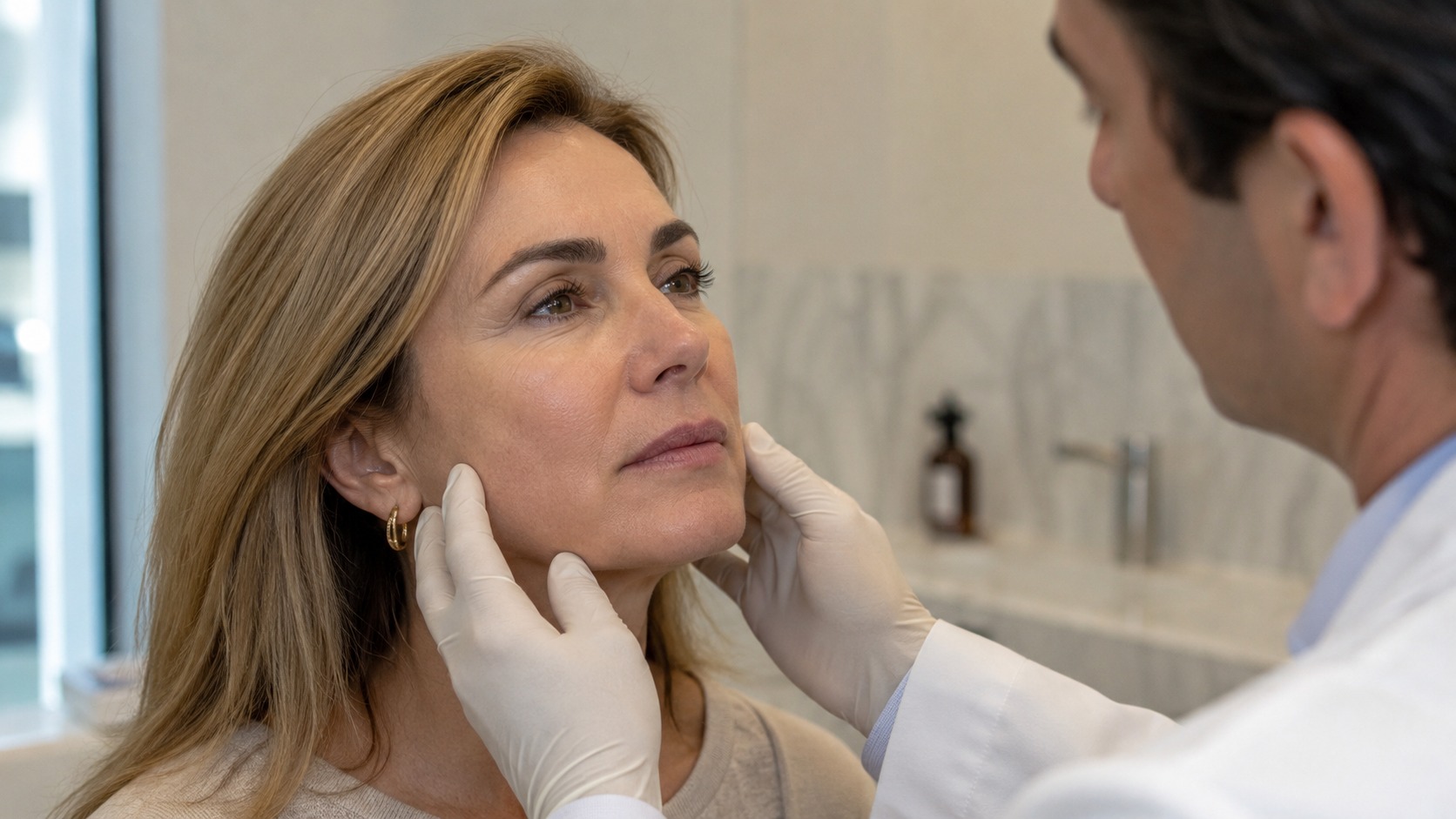
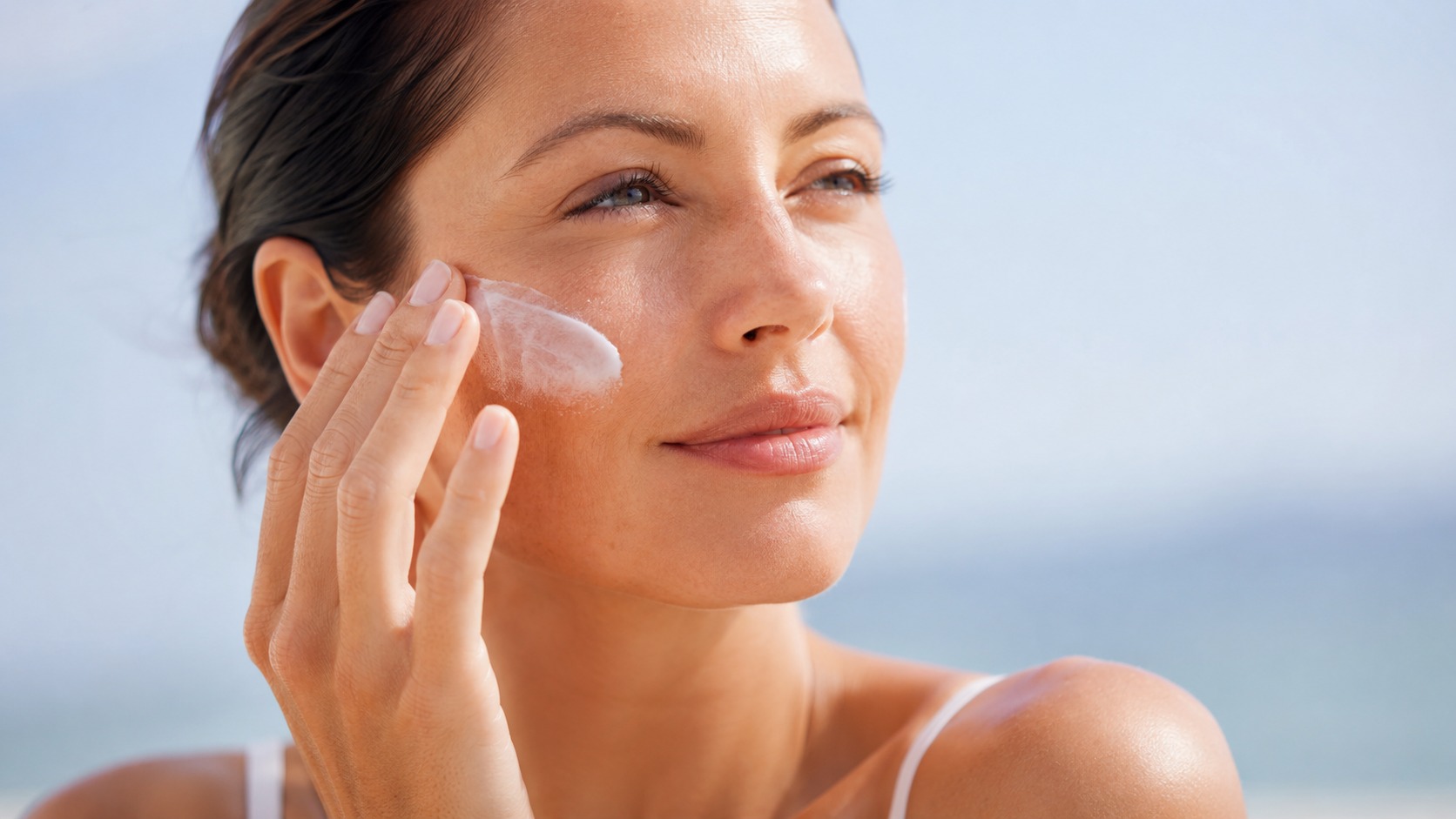
Photoaging is responsible for up to 80% of visible facial aging in many populations. Ultraviolet radiation generates reactive oxygen species that damage collagen fibers, elastin networks, cellular DNA, and the skin barrier.
Unlike intrinsic aging, photoaging is largely preventable.
Clinical Signs
- Pigmentation irregularities
- Solar lentigines
- Fine wrinkles
- Rough skin texture
- Loss of skin elasticity
- Telangiectasia
Treatment Options
- Broad-spectrum sunscreen
- Medical skincare
- Pigment-targeting lasers
- Fractional laser rejuvenation
- Chemical peels
Facial expressions are essential for communication but contribute to wrinkle development over time. Repeated contraction of facial muscles creates dynamic lines that eventually become etched into the skin even at rest.
The strongest contributors include the frontalis, corrugator, procerus, and orbicularis oculi muscles.
Clinical Signs
- Forehead lines
- Frown lines
- Crow's feet
- Bunny lines
- Perioral wrinkles
Treatment Options
- Neuromodulator injections
- Preventive wrinkle management
- Combination collagen stimulation therapies
The concept of "inflammaging" has gained increasing attention within regenerative medicine. Chronic low-grade inflammation accelerates tissue degeneration through the release of inflammatory mediators and oxidative free radicals.
Contributing factors include:
- Poor sleep quality
- Psychological stress
- Smoking
- Excessive alcohol consumption
- High-glycaemic diets
- Environmental pollution
Clinical Signs
- Dull complexion
- Accelerated skin aging
- Increased pigmentation
- Delayed healing
- Loss of skin quality
Treatment Options
- Lifestyle optimisation
- Antioxidant therapy
- Medical skincare
- Regenerative aesthetic treatments (e.g. Polynucleotides/Polydeoxyribonucleotides)
- Nutritional intervention
Hormonal fluctuations significantly influence facial aging. Declining estrogen levels in women and age-related androgen changes in men affect collagen synthesis, hydration, skin thickness, and tissue repair capacity.
In addition, the regenerative capacity of fibroblasts and stem-cell populations decreases with age.
Clinical Signs
- Skin thinning
- Dryness
- Reduced elasticity
- Accelerated wrinkle formation
- Poor wound healing
Treatment Options
- Regenerative aesthetic treatments (e.g. Polynucleotides/Polydeoxyribonucleotides)
- Exosome facial treatments
- Skin hydrating boosters
- Collagen biostimulators
- Personalised anti-aging programmes
The Future of Facial Rejuvenation: Treating the Cause, Not Just the Symptoms
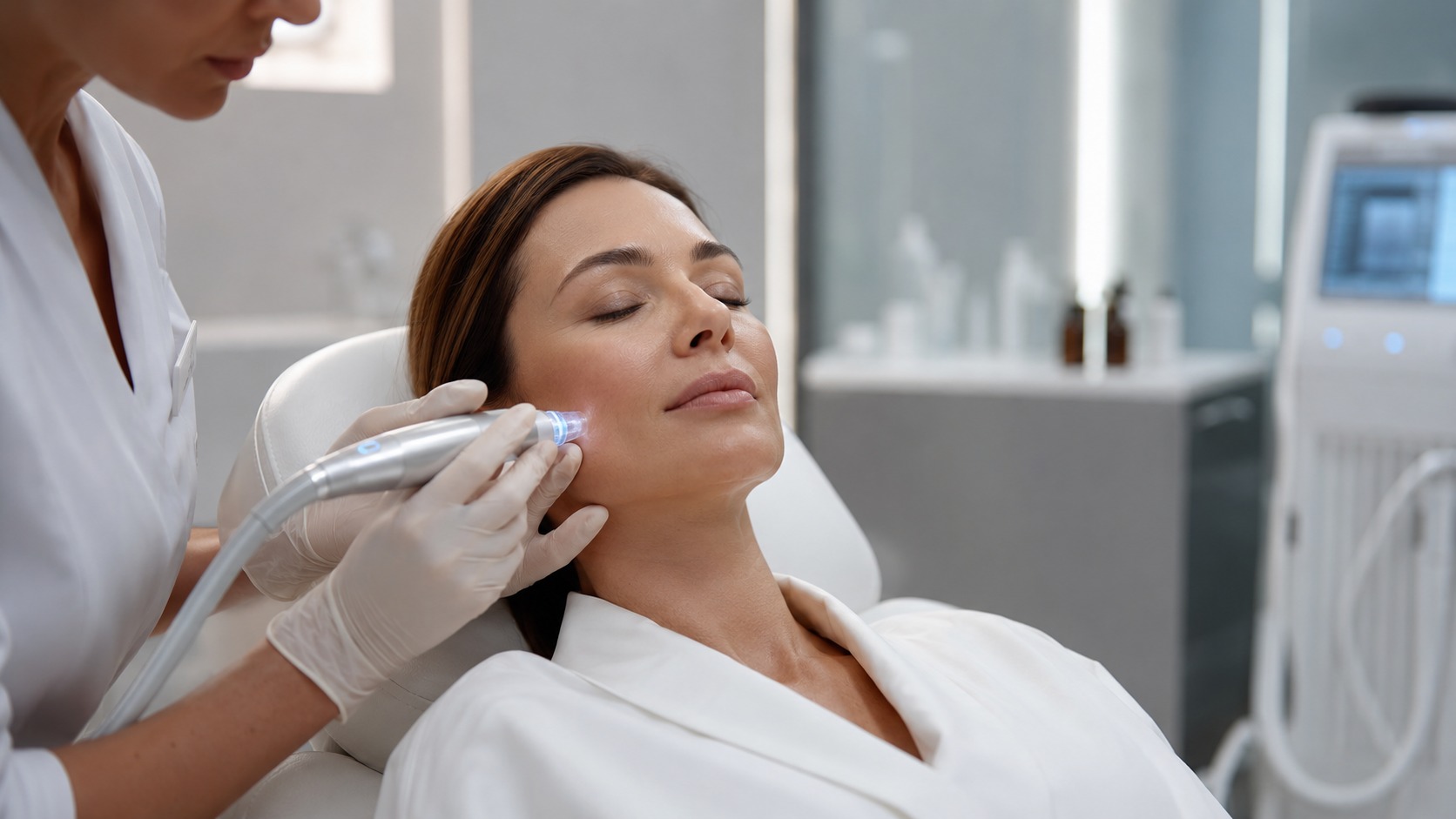
The future of aesthetic medicine is shifting away from isolated wrinkle correction toward comprehensive age-management strategies. Advances in regenerative aesthetics, AI skin analysis, ultrasound-guided fillers, exosome facial treatments, and precision-based treatment planning are enabling clinicians to identify and address the root causes of facial aging.
Patients who appear older than their chronological age often exhibit a combination of collagen depletion, facial volume loss, skeletal remodeling, photoaging, muscle-related wrinkle formation, chronic inflammation, and regenerative decline. Successful rejuvenation therefore requires a personalised approach that targets multiple aging mechanisms simultaneously.
Rather than asking, "How can I remove these wrinkles?", a more important question may be, "What underlying aging processes are causing my face to age faster than expected?"
Understanding the answer is often the first step toward achieving natural, long-lasting facial rejuvenation.