What Happens to Your Face After 40? A Doctor's Guide to Understanding Facial Aging
Have you ever looked in the mirror and wondered: "Why do I suddenly look more tired than I feel?"
Many people notice significant changes in their appearance during their 40s. The surprising part is that these changes often seem to happen almost overnight.
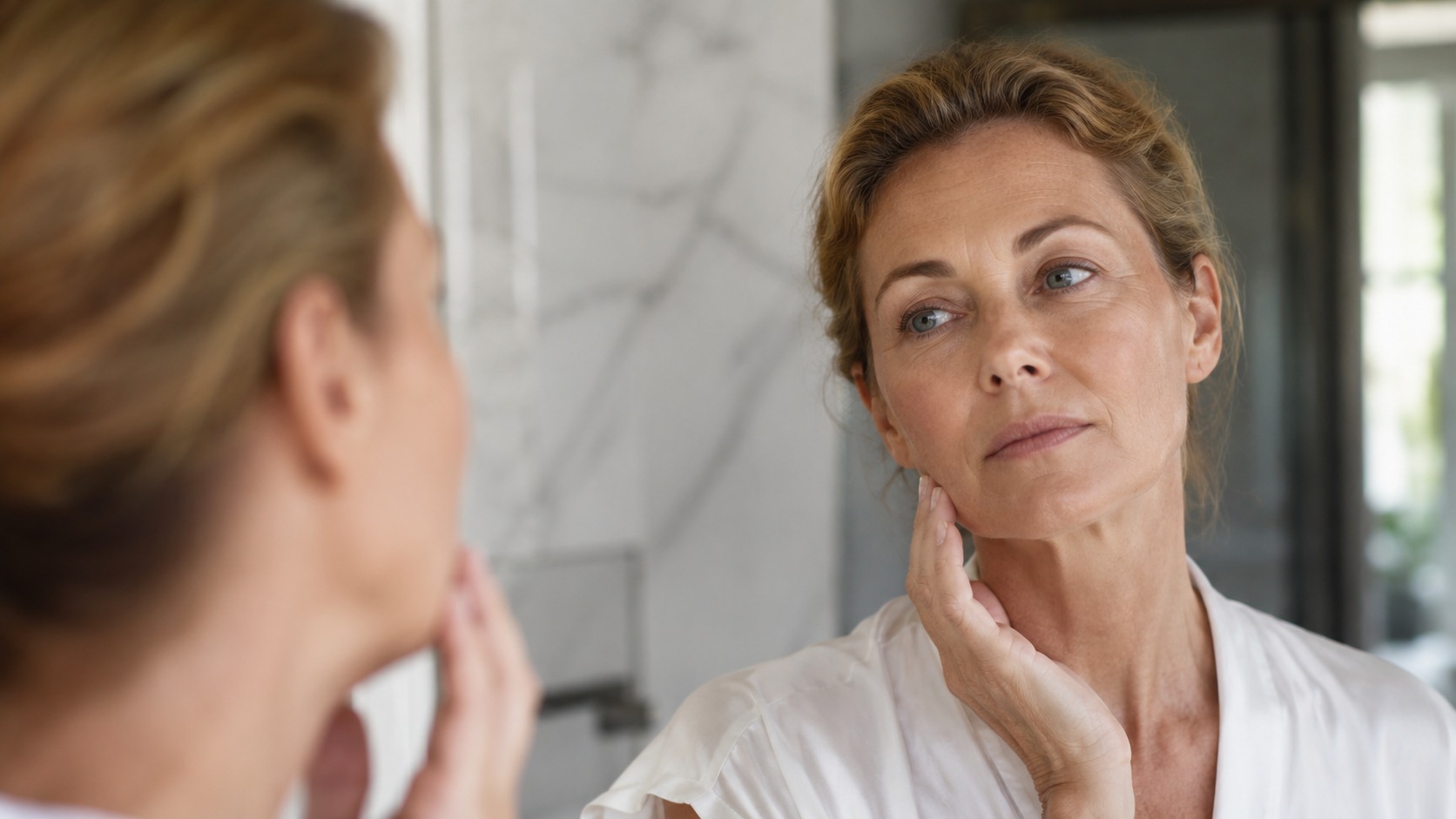
One day, your face looks much the same as it did a few years ago. Then suddenly, photos appear different, the jawline seems softer, and friends start asking whether you're tired.
The truth is that facial aging does not occur overnight. It is a gradual process that has been happening for years beneath the surface.
Your 40s are often the decade when those hidden changes become visible.
In this article
Why Does Facial Aging Become More Noticeable After 40?
By the age of 40, your face has already undergone years of biological aging.
Several important changes occur simultaneously:
- Collagen production continues to decline
- Elastin fibers become weaker
- Fat compartments shift and shrink
- Facial ligaments become less supportive
- Bone structure gradually changes
- Skin renewal slows down
Collagen is the structural protein that gives skin its strength and firmness.
Think of collagen as the scaffolding that helps keep skin smooth and resilient.
After the age of 30, collagen production gradually declines.
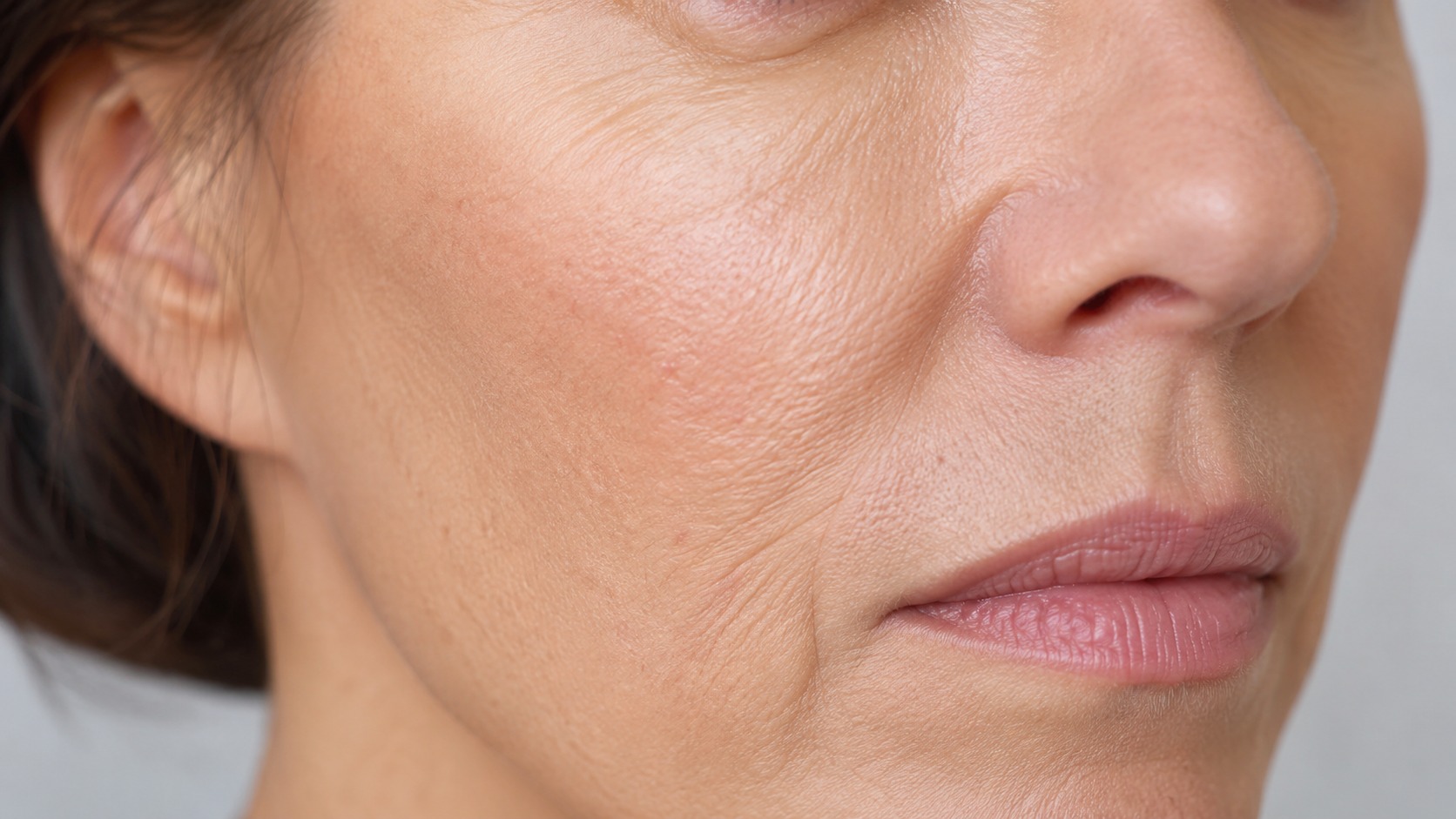
By your 40s, many people begin to notice the effects:
- Skin feels less firm
- Fine lines become more visible
- Recovery from stress and environmental damage takes longer
- Skin appears thinner
One of the most common concerns after 40 is:
"Why is my jawline disappearing?"
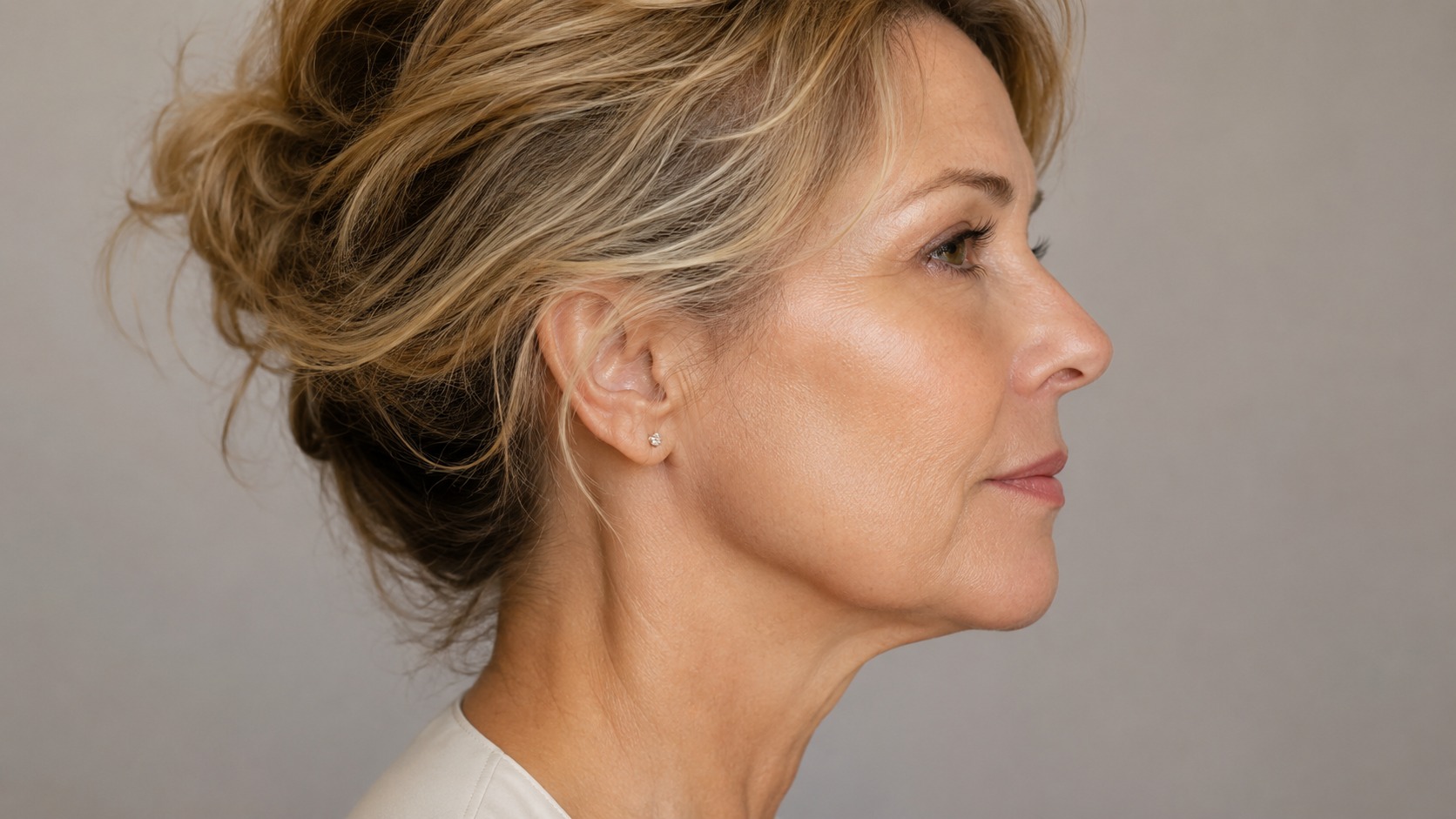
A youthful face typically has a well-defined jawline.
As support structures weaken, tissues gradually descend.
This can result in:
- Less definition along the jawline
- Early jowls
- Mild skin laxity
- A heavier lower face
Many patients are surprised because their weight has not changed significantly.
Youthful cheeks are generally fuller and positioned higher on the face.
Over time:
- Fat compartments shrink
- Deep support structures weaken
- Soft tissues descend
As a result:
- Cheeks may appear flatter
- The mid-face can look heavier
- Nasolabial folds may become more noticeable
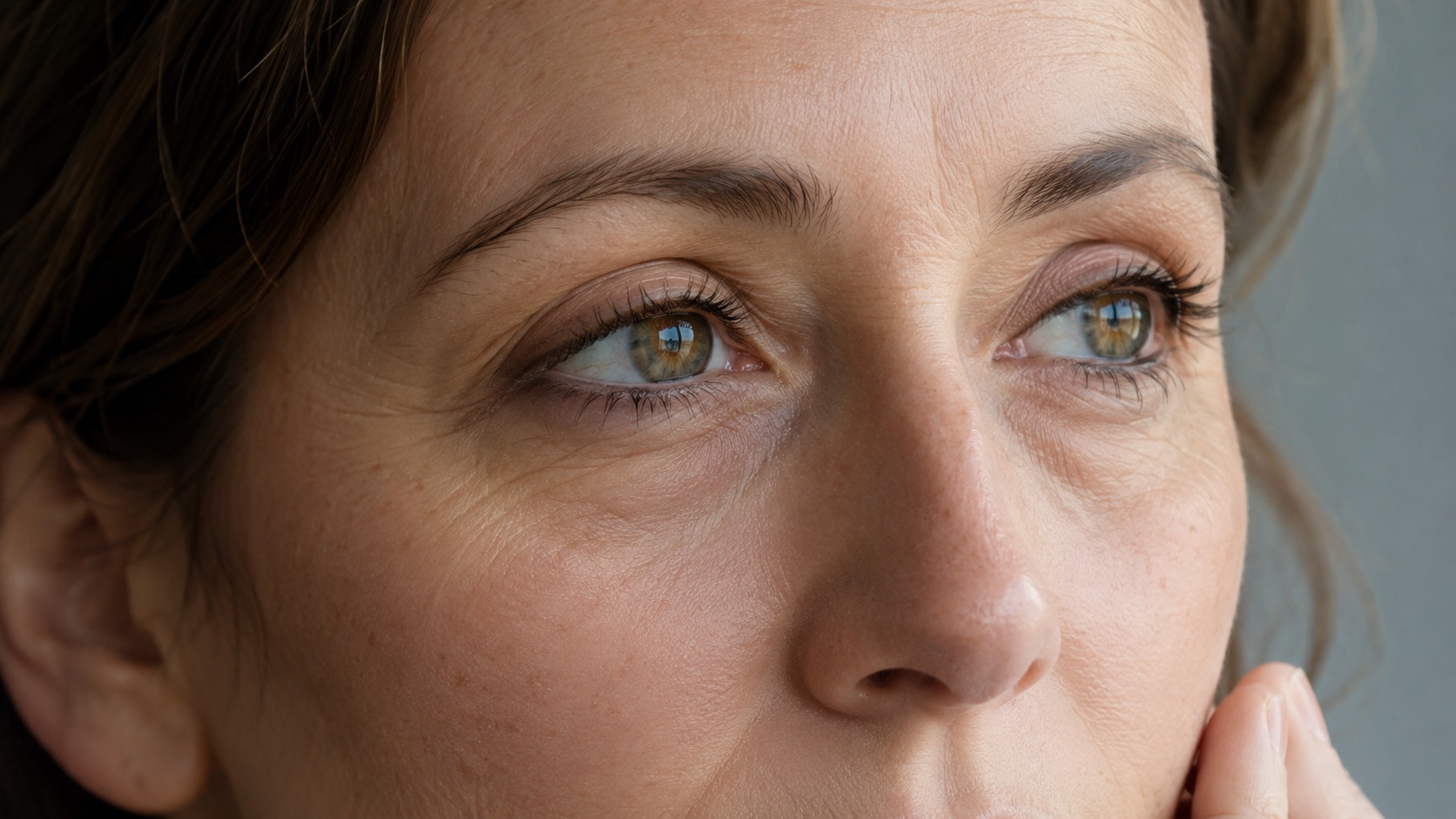
The eye area is often one of the earliest places where aging becomes noticeable.
Changes may include:
- Hollowing beneath the eyes
- Dark circles
- Fine lines
- Puffiness
- Heavier upper eyelids
Because the eyes are the focal point of the face, even subtle changes can have a significant impact on overall appearance.
Many people describe this stage as:
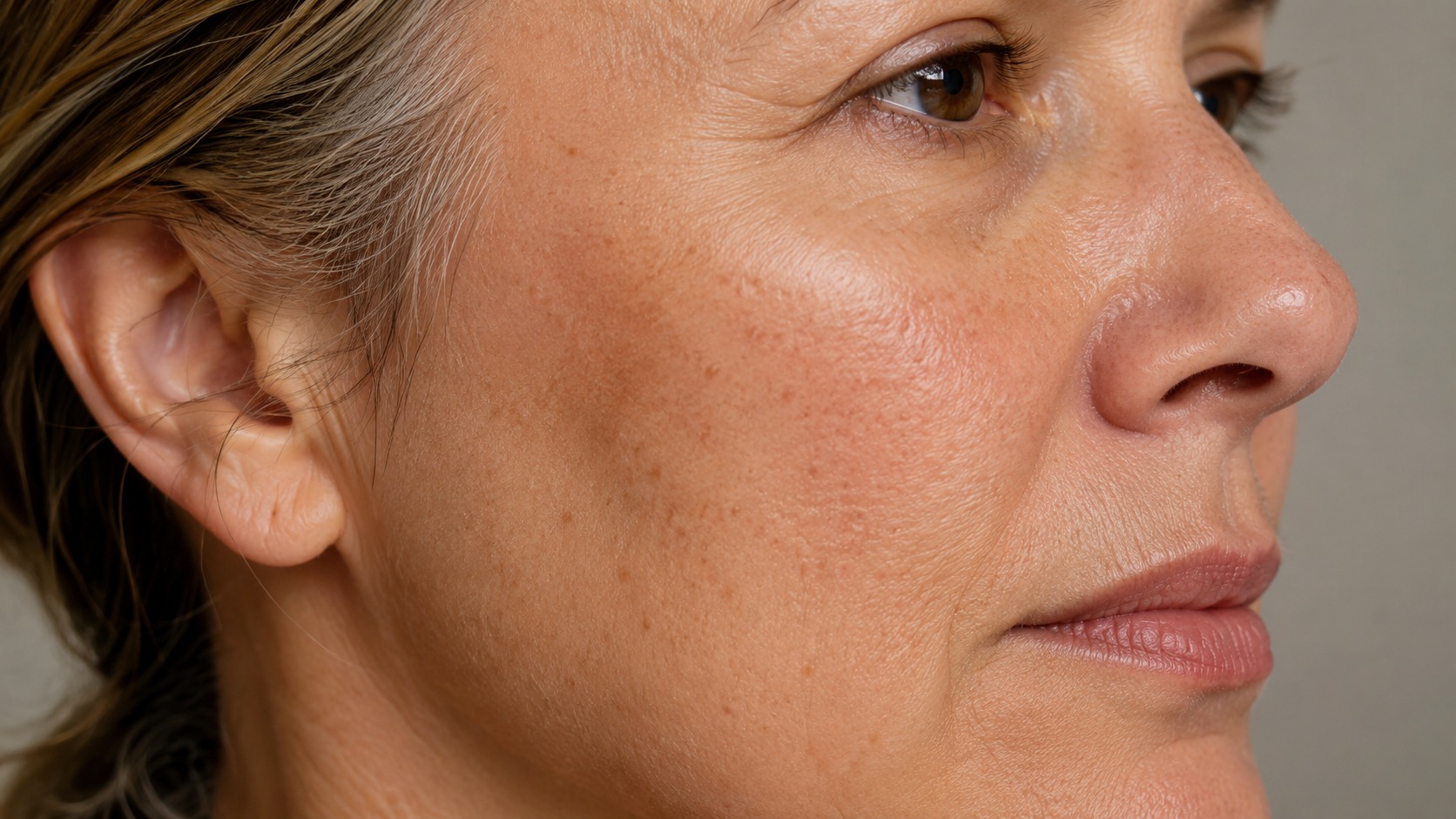
In your 20s and 30s, skin naturally renews itself more efficiently.
After 40, the renewal process slows down.
You may notice:
- Duller skin
- Rougher texture
- Enlarged pores
- Less radiance
- Uneven pigmentation
The neck is often forgotten during skincare routines.
However, the neck frequently reveals signs of aging earlier than expected.
Common changes include:
- Horizontal neck lines
- Skin laxity
- Reduced firmness
- Loss of definition beneath the jawline
Most people are unaware that facial bones change with age.
Research has shown that aging affects the facial skeleton.
Over time:
- Eye sockets become larger
- Jaw support changes
- Cheek support gradually decreases
These changes contribute to the loss of facial support and volume.
Why Do Some People Age Faster Than Others?
Not everyone ages at the same rate.
Several factors influence facial aging:
Genetics
Some people naturally retain collagen and facial volume longer.
Sun Exposure
Ultraviolet radiation remains one of the largest contributors to visible skin aging.
Smoking
Smoking accelerates collagen breakdown and reduces blood flow to the skin.
Stress
Chronic stress may contribute to accelerated aging through hormonal and inflammatory pathways.
Sleep Quality
Poor sleep can affect skin repair and recovery.
Nutrition
A healthy diet supports skin health and collagen maintenance.
What Are the First Signs of Aging After 40?
Many patients notice:
- A softer jawline
- More visible smile lines
- Mild jowls
- Under-eye hollows
- Less radiant skin
- Neck laxity
- Fine wrinkles
Can Facial Aging Be Prevented?
Aging cannot be stopped.
However, many factors can be influenced.
Healthy habits include:
- Daily sun protection
- Good skincare
- Adequate sleep
- Exercise
- Balanced nutrition
- Avoiding smoking
Many people also seek professional treatments designed to support collagen production and skin quality.
Common Myths About Aging After 40
Myth 1: Wrinkles Are the Main Sign of Aging
Not necessarily.
Loss of volume, sagging, and changes in facial structure often contribute more to an aged appearance.
Myth 2: Only Women Age Noticeably
False.
Men experience the same biological aging processes.
The patterns may differ slightly, but both genders age.
Myth 3: Expensive Skincare Can Stop Aging
No skincare product can completely stop the aging process.
Skincare can support skin health, but aging affects deeper structures as well.
Myth 4: It's Too Late to Start Taking Care of Your Skin
False.
Healthy habits and appropriate interventions can be beneficial at any age.
Frequently Asked Questions
Why do I look older in photos than in the mirror?
Photos capture facial shadows, volume loss, and tissue descent differently from mirrors.
Lighting can also exaggerate age-related changes.
Why does my face look wider after 40?
As tissues descend and the jawline softens, the lower face can appear heavier or broader.
Why do I look tired even when I am not?
Changes around the eyes, cheeks, and jawline can create a tired appearance despite feeling well-rested.
Is facial aging only about collagen loss?
No.
Facial aging involves the skin, fat, ligaments, muscles, and bones.
This is why a comprehensive understanding of facial anatomy is important.
The Bottom Line
Turning 40 does not mean suddenly becoming old.
However, it is often the decade when the cumulative effects of aging become more visible.
The face gradually loses collagen, volume, support, and elasticity. The jawline softens, cheeks shift, skin texture changes, and the eyes may begin to appear more tired.
Understanding these changes is the first step toward making informed decisions about skincare, lifestyle, and aesthetic treatments.
Most importantly, aging is not a flaw to be fixed.
It is a natural biological process. The goal is not to look 20 forever, but to maintain healthy, confident, and natural-looking skin at every stage of life.